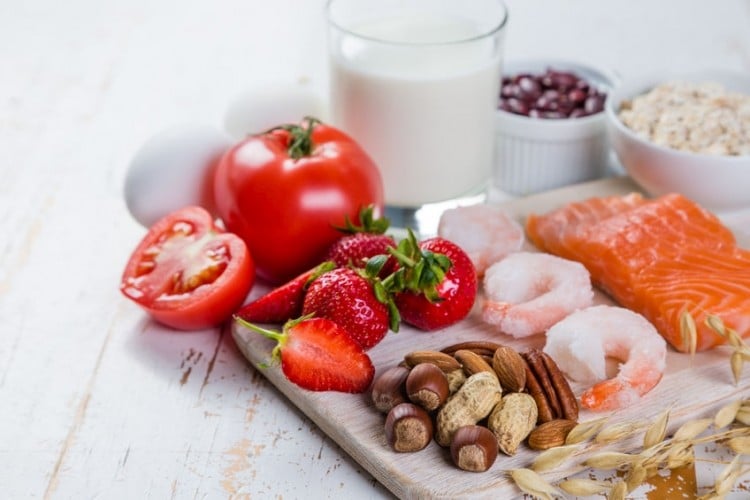
Lipedema is a complex condition in which genetic predisposition, chronic low-grade inflammation, glycation, and microcirculatory dysfunction (the network of small blood vessels) contribute to the pathological accumulation of adipose tissue and the development of edema. Although genetic predisposition cannot be modified, it is possible to target the inflammatory mechanisms that drive disease progression. A personalized anti-inflammatory dietary approach, based on the results of the PerMè Recaller Program, helps identify individual food-related inflammatory triggers and reduce both the inflammatory and glycation burden. This represents a valuable nutritional support strategy in the management of lipedema and may contribute to improving patients' quality of life.
Crohn's disease (formerly known as Morbus Crohn, a now outdated term) is a chronic inflammatory bowel disease (IBD) that can affect the entire gastrointestinal tract, with a preference for the final parts of the intestine, namely the ileum and colon.
Histamine accumulation syndrome is sometimes improperly referred to as “histamine intolerance.” Although this term is commonly used, it’s important to understand that it does not represent an intolerance in the classic sense (such as lactose intolerance, which is linked to a well-defined enzymatic deficiency, or gluten intolerance—both of which can be diagnosed with specific tests).
So, let’s take a closer look at what it actually is.
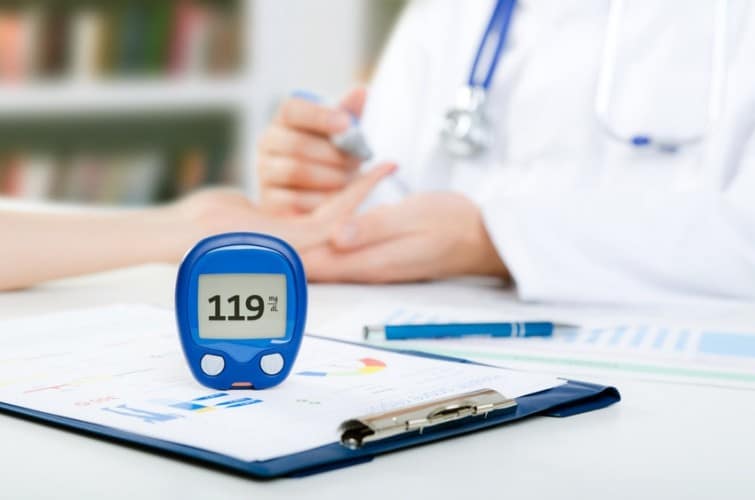
Diabetic foot is one of the most common chronic complications of diabetes mellitus. It involves a combination of peripheral neuropathy (nerve damage) and vasculopathy (microcirculation impairment), which reduce sensitivity, slow down healing, and increase the risk of infections. Without careful treatment, it can progress severely.
Estimates indicate that more than 29 million Europeans live with depressive symptoms, and it is calculated that around 20% of the population will experience at least one depressive episode during their lifetime. These numbers continue to rise, fueled by factors related to stress, as well as changes in our lifestyles and eating habits.
Depression is not just a psychological condition: it is also closely linked to the body, particularly metabolism and nutrition, which play a crucial role in both its onset and management.
In recent years, scientific research has highlighted the importance of nutrition in the prevention and treatment of cancer.
Sugars in particular can contribute to the formation of a "protective shield" around cancer cells, unfortunately making them more resistant both to the immune system and to traditional cancer treatments.
Measures such as vaccination remain fundamental for preventing respiratory illnesses, but there is another aspect that is often overlooked: our nutrition.
Hypertension, commonly referred to as "high blood pressure," is one of the most widespread and dangerous conditions globally.. While many are aware of risk factors like obesity, poor diet, and unhealthy lifestyles, the link between low-grade chronic inflammation and hypertension is less well-known.
Burning behind the sternum, stomach heaviness, or regurgitation in the mouth may indicate the presence of a condition called Gastroesophageal Reflux Disease (GERD). This disorder is far from rare and affects about 15% of the population in industrialized countries.
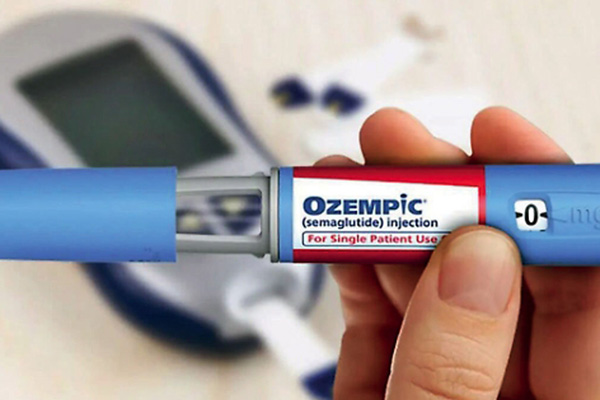
Ozempic is the brand name of the injectable drug based on semaglutide, originally developed for the treatment of type 2 diabetes, which has also shown significant effects on weight loss. However, to achieve sustainable results, it is necessary to integrate it with lifestyle changes and personalized medical monitoring.
Menopause is a physiological and natural transition, but with the right approach, it's possible to effectively manage the changes and associated symptoms. A combination of balanced nutrition, regular physical activity, and inflammation management can significantly improve quality of life for every woman during and after menopause, promoting long-term well-being and health.
While it was long believed that obesity was simply linked to dietary excesses, such as excessive consumption of junk food, it has actually been demonstrated that a low-grade inflammatory condition, along with an unbalanced diet, plays a fundamental role in the development of this condition.