
Alzheimer and Cognitive Decline
Preventing them by controlling inflammation
Brain aging is not just a matter of age. Today, we know that chronic inflammation and glycation—processes triggered by excess sugar in the diet—play a central role in the loss of memory, concentration, and mental clarity.

- It is the most common and severe form of dementia.
- It causes memory loss and can alter personality and behavior, especially in the advanced stages.
- It is associated with the accumulation in the brain of beta-amyloid plaques and tau protein tangles, which damage neurons.
- Chronic inflammation and excess sugar accelerate this process, promoting glycation and oxidative stress.
- Excessive consumption of simple sugars and ultra-processed foods
- Low-grade inflammation that persists over time
- Accumulation of glycation end products (AGEs) that are toxic to neurons
- Oxidative stress and damage to cerebral blood vessels
Prevent it with the Glyco Medical Program
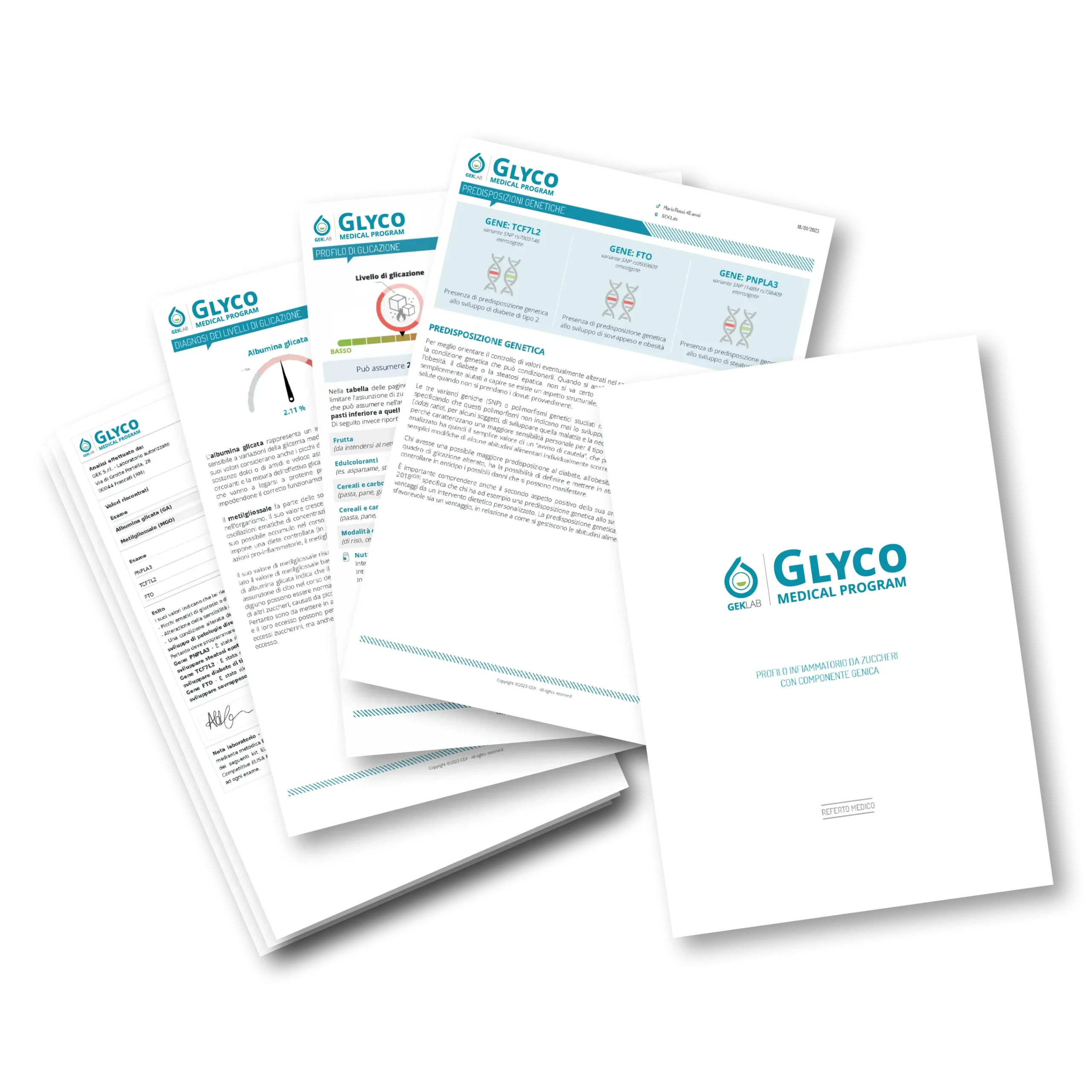
Simple test, clear results
- Sugar-related inflammatory state (Methylglyoxal)
- Early sugar-induced damage (Glycated Albumin), of which cognitive decline is a long-term consequence
- Genetic predisposition to the development of major metabolic diseases
- If you are consuming an excess of sugars, sweeteners, or alcoholic substances
- If these are responsible for a latent inflammatory state that can affect memory and cognitive abilities in the long term
- Which diet to follow in order to reduce inflammatory responses
- It reduces inflammation by creating low glycemic-impact meals
- It tailors sugar intake on an individual basis
- It reduces blood sugar spikes at meals and improves mood, memory, and neuronal function
- Early identification of risk signals for cognitive decline
- Improve concentration and memory
- Reduce inflammation and oxidative stress
- Protect nerve cells and slow cognitive aging






How does it work in practice?
Fill out the form and you will conveniently receive your personal kit at home, with everything you need to perform the test
The kit contains a clear, illustrated guide. The sample collection is simple, quick, and non-invasive: it only takes a few minutes.
In the package, you will find a prepaid envelope for free sample pickup. We take care of everything.
In about 7 days, you will receive a complete medical report by email, highlighting the food groups that contribute to inflammation. Along with the report, you will also receive personalized dietary advice to improve your diet and address the symptoms.
Frequently Asked Questions
Sì. Il test è stato sviluppato da GEK Lab, viene eseguito nel proprio laboratorio, ed è basato su marcatori innovativi e clinicamente validati, selezionati a partire dalle più recenti evidenze scientifiche.
Il test misura la risposta infiammatoria individuale agli zuccheri e alle sostanze affini, fornendo un’analisi molto più accurata e utile per chi desidera prevenire danni futuri.
Glyco Medical Program è attualmente utilizzato da medici e nutrizionisti in tutta Italia per personalizzare le terapie alimentari con un approccio scientifico, sicuro e validato.
No, a medical prescription is not required.
The test can be ordered directly online and will be conveniently shipped to your home, along with all the instructions to perform the sample collection easily and safely.
However, if you are under the care of a doctor or nutritionist, you can share the test results with them to integrate the data into your therapeutic plan.
The report is clear, detailed, and designed for clinical use as well.
No. The medical report you will receive after the test will indicate the amounts of sugars, carbohydrates, and related substances you can consume over the week to reduce inflammation and prevent damage to brain cells, based on your individual inflammatory status.
Sugar-induced inflammation is an inflammatory condition fueled by an individually excessive intake of sugars and substances that act similarly (such as alcohol, but also sugars from fruit and even sweeteners). These substances can bind to proteins or other circulating molecules in the body, altering their structure and impairing their function. This process, known as glycation, leads to increased levels of glycated albumin and the production of methylglyoxal, a free radical capable of oxidizing body tissues, including brain cells. Both markers are measured in our report to assess the damage that sugars (and related substances) could cause.