
The protein BAFF (B cell Activating Factor) has been known to the scientific community for more than ten years. Several scientific studies have allowed us to understand its involvement in numerous processes as well as its possible relationships with inflammation, including inflammation related to diet.
Below, we list the most important mechanisms in which this cytokine is involved.
BAFF and autoimmunity
The survival of certain immune system cells, B cells, depends on BAFF. However, increased production of BAFF has been associated with the development of autoimmune diseases.
Specifically, BAFF plays a key role in accurately “selecting” immune system cells. However, an excess of BAFF interferes with these “selection” processes, increasing the number of self-reactive cells, which is the basis for the development of multiple autoimmune diseases.
The production of BAFF depends primarily on cells of the immune system, often activated in the presence of chronic inflammatory conditions.

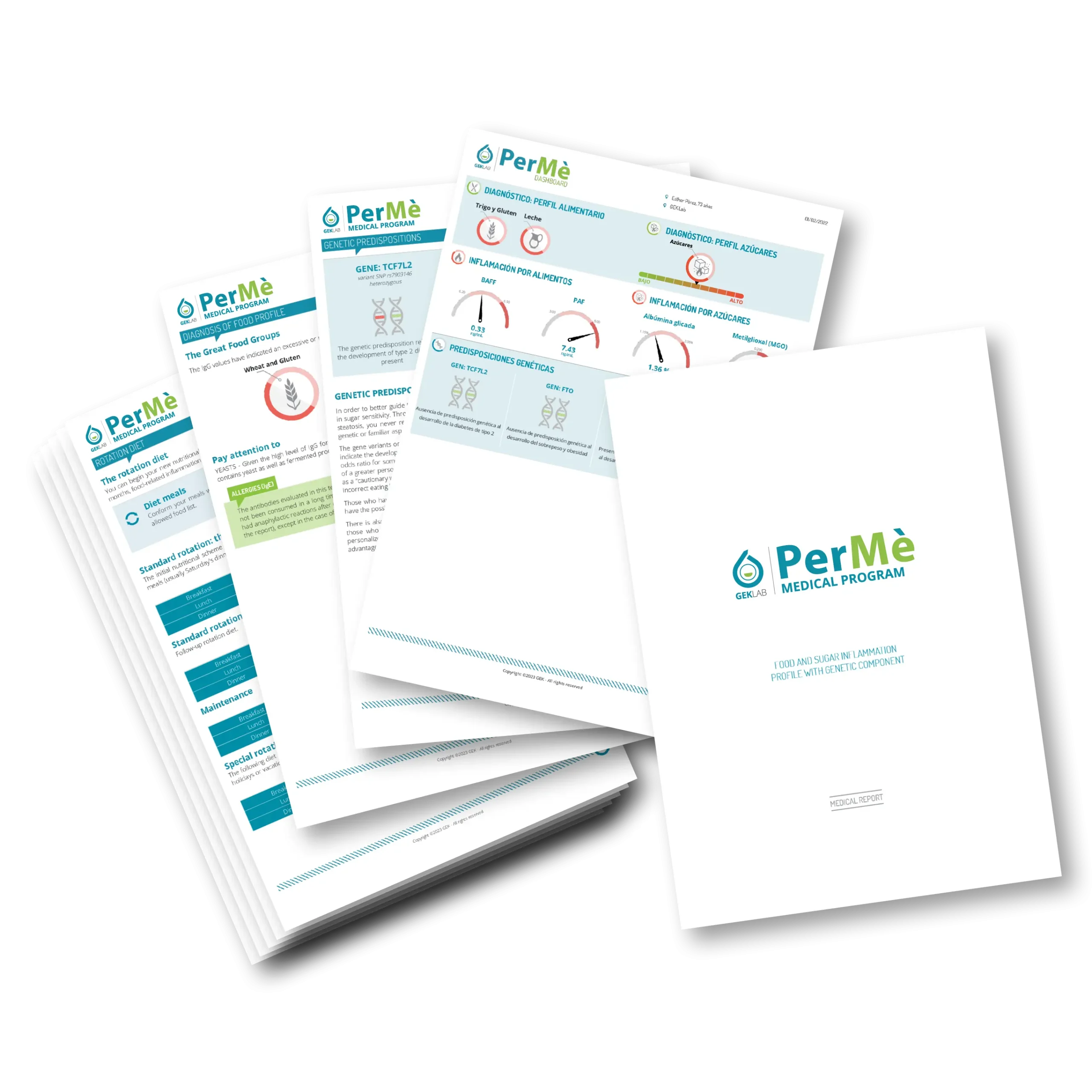
BAFF is a multitasking molecule; inflammation and metabolism depend on it. You can measure it by undergoing a PerMè Medical Program
BAFF and metabolism
BAFF production mainly depends on cells of the immune system, which are often activated in the presence of chronic inflammation. Adipose tissue is a true organ capable of releasing “substances” such as BAFF, thereby creating and maintaining an “inflamed” microenvironment.
BAFF is known to act as a true link between inflammation and metabolism, playing a primary role in the maintenance of insulin resistance. It therefore also plays an important role in inflammation associated with obesity, insulin resistance, and metabolic syndrome.
When BAFF is elevated
Elevated BAFF levels are an important indication of the inflammatory state present in the body. BAFF serves as an indicator of inflammatory and immunological issues that can be addressed through personalized dietary choices.
An anti-inflammatory and personalized diet, along with proper supplementation to modulate inflammatory responses, such as those based on turmeric, inositol, and perilla oil, can certainly be the first approach to modulating inflammation caused by this and other inflammatory cytokines present in the body, which may be responsible for numerous chronic disorders.
It is possible to determine the levels of the BAFF cytokine (expressed in ng/ml) in the following products:
Food Recaller Program: allows you to assess inflammation levels and identify food groups whose consumption frequency may need adjustment
Metabolic Recaller Program: allows you to assess inflammation levels related to diet and sugar intake.
PerMè Recaller Program: allows you to assess inflammation levels and identify any genetic predisposition associated with higher BAFF levels.
Integrated knowledge of this and other analytes enables the development of a “tailored” dietary plan to remodel inflammatory responses, including those related to diet.

Lipedema and Chronic Low-Grade Inflammation

Crohn’s Disease: When the Intestine Becomes Inflamed (and How to Help It)